




What a buyer decides in the first ten seconds
Most buyers make up their mind before they reach the living room. Why we design the walk from the sidewalk to the front door as carefully as the homes themselves.

Eleanor Hart
Founder and Chief Executive
Published
Reading time
3 min read

I have walked buyers through new buildings for most of my career, and I can usually tell how a visit will go before we reach the apartment. People decide fast. By the time the elevator doors open, most have a feeling about the building that the floor plan will only confirm or fight against. So we design the arrival as carefully as the homes themselves: the street, the lobby, the corridor and the front door, in that order.
The street and the entrance
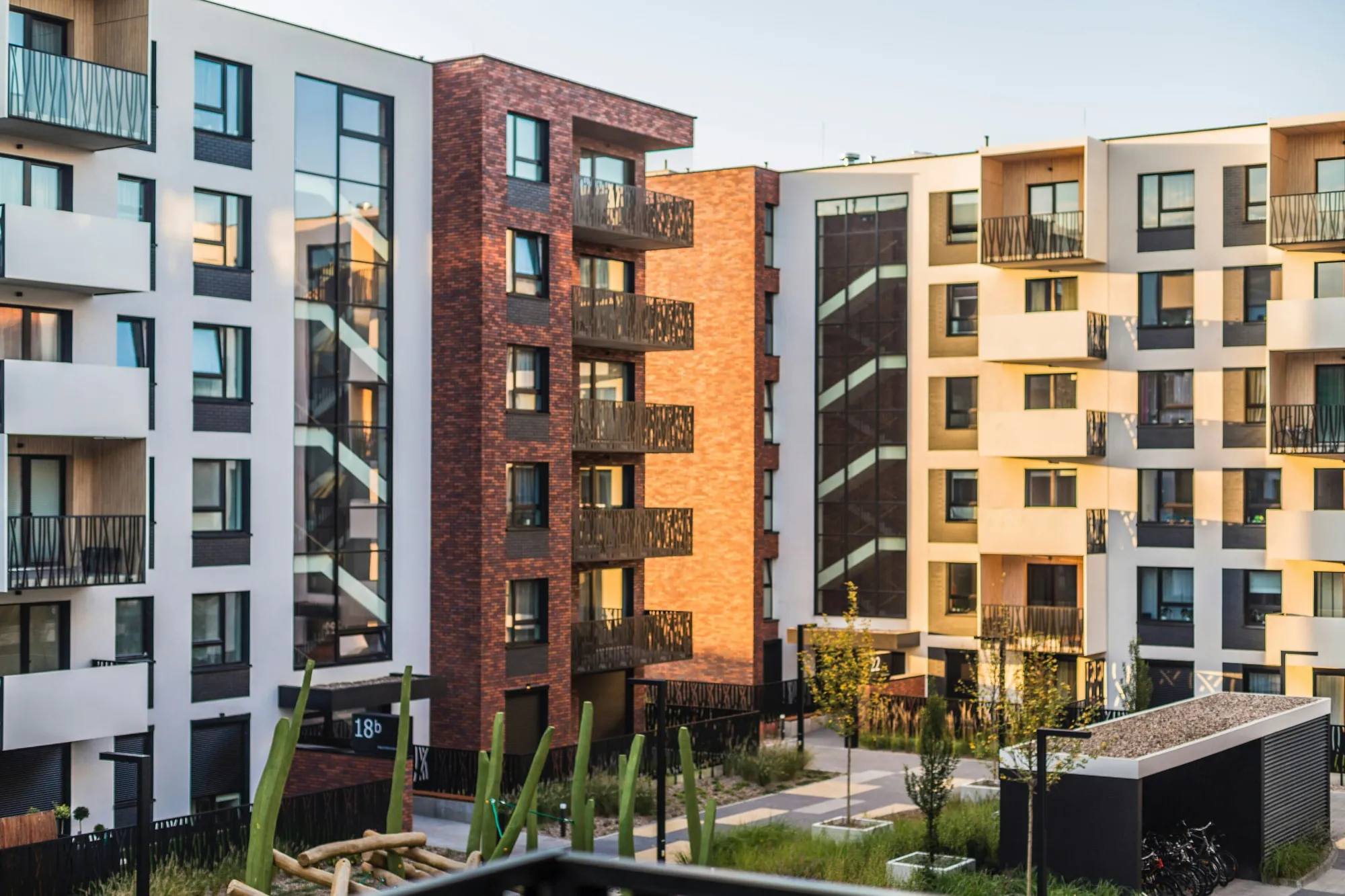
Arrival starts at the end of the block. A buyer sees the entrance before anything else and reads it as a promise about how the building will be run. We make the front door easy to find, set it back from the sidewalk so there is a moment of shelter before you go in, and keep trash rooms, deliveries and garage ramps on a different frontage wherever the site allows.
Materials matter more here than anywhere else in the building, because hands touch them. A solid door, a pull that feels heavy in the hand, an intercom that sits flush and works the first time. None of it is expensive at the scale of a whole building. All of it is noticed.
The lobby
Lobbies are where developers are most tempted to show off, and where we try hardest not to. A double-height space with a chandelier photographs well and feels like a hotel. We would rather it felt like the hallway of a good house: daylight from the street, somewhere to sit, a clear view through to the elevators and a place for packages that does not take over the room. We plan the package room at the same time as the lobby, not afterwards, because a lobby stacked with boxes undoes everything else.
Light carries most of the effect. Where we can, we bring daylight in from two sides, so the lobby never feels like a cave, even on a gray afternoon in February.
The corridor
The corridor is the part of a building most often designed last, and buyers feel it. A long, dim, low hallway with doors on both sides tells people they are in a block of units, however good the apartments are. We keep corridors short, put a window at the end of every one we can, and light them with the same warm color temperature as the homes. Carpet keeps footsteps quiet, and a hard border along the walls stops it looking tired after the first year of move-ins.
The front door, and the first view in
The last few seconds happen at the apartment door. When it opens, the buyer should see daylight. We plan every layout so the first view from the entry runs through to a window, ideally the largest one in the home, rather than straight into a closet or a bathroom door. A short entry with a coat closet to one side gives people a place to put things down before the space opens up.
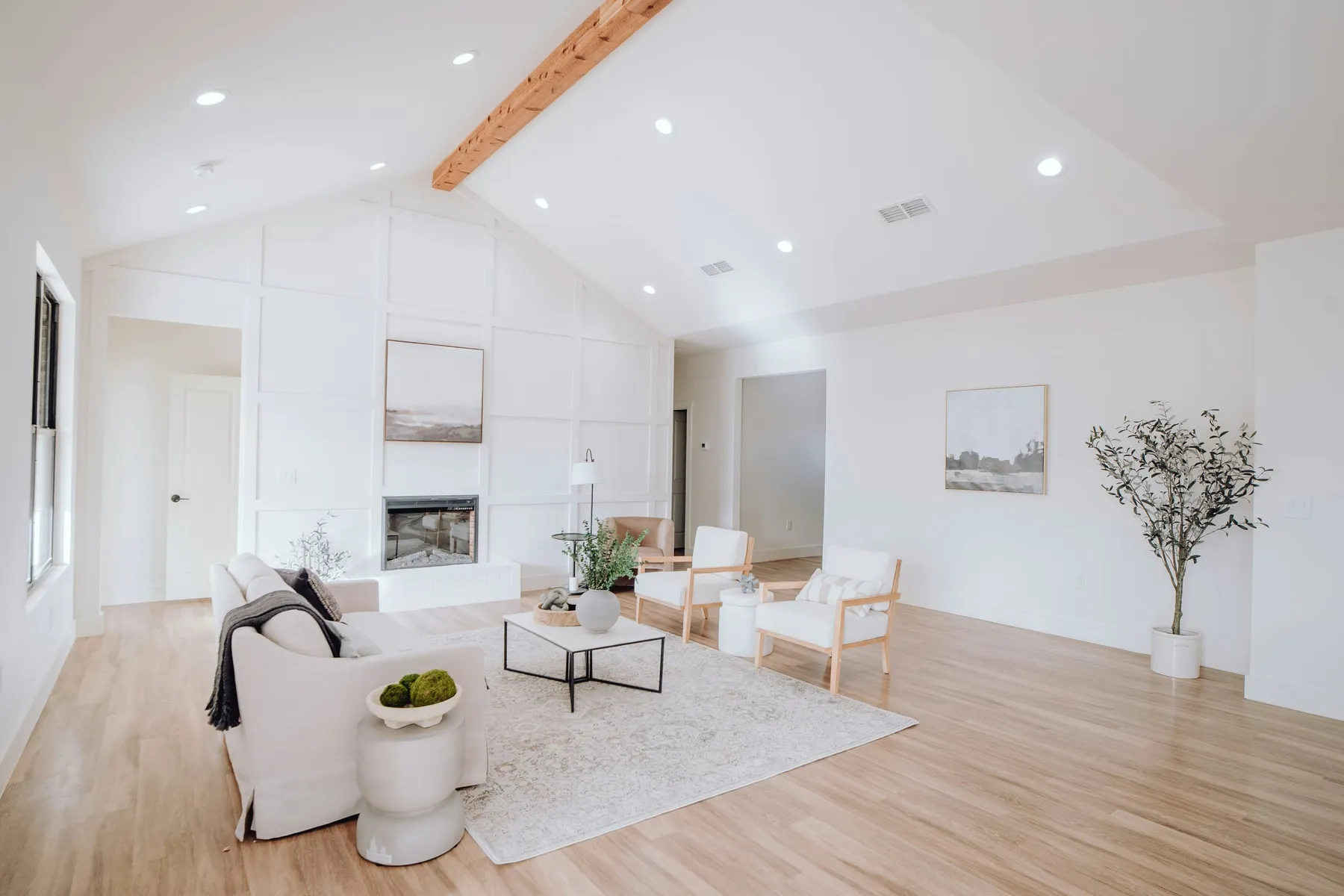
This is also why we resist squeezing in an extra bedroom at the cost of that sightline. A home that opens to the light feels larger than its square footage, and buyers remember the feeling long after they have forgotten the numbers.
Why it matters after you move in
We design the arrival with buyers in mind because it shapes their decision, but the people who walk it most are the residents. They come home through that door twice a day for years. The sequence that makes a good first impression is usually the same one that makes a building pleasant to come back to, and that is the real test.
If you would like to judge for yourself, our model residences are open most days. Start at the corner, and notice what you notice.
design, arrival, lobbies
Written by
Eleanor Hart
Founder and Chief Executive
Keep reading

Market
New condos in Brooklyn and Queens, fall 2026: steadier, but not cheaper
After three years of sharp rises, prices across our buildings grew 2.4% in the last twelve months. Where demand is still outrunning supply, and what that means for buyers.

Buying
Price lists, offering plans and incentives: how new-condo pricing works
Buying from a developer is not like buying resale. A plain guide to how prices are set in a new building, what the offering plan tells you, and how to pitch an offer.

Design
How we photograph homes that are not built yet
Most buyers see an Urbanform home in pictures long before it exists. How we make renderings, photograph model residences and film the site, and what we will not do.
What a buyer decides in the first ten seconds
first-ten-seconds
Design
Eleanor Hart
Most buyers make up their mind before they reach the living room. Why we design the walk from the sidewalk to the front door as carefully as the homes themselves.
design, arrival, lobbies
New condos in Brooklyn and Queens, fall 2026: steadier, but not cheaper
new-condo-market-fall-2026
Market
Chloe Laurent
After three years of sharp rises, prices across our buildings grew 2.4% in the last twelve months. Where demand is still outrunning supply, and what that means for buyers.
market, prices, new development
Price lists, offering plans and incentives: how new-condo pricing works
new-development-pricing-explained
Buying
Lauren Castillo
Buying from a developer is not like buying resale. A plain guide to how prices are set in a new building, what the offering plan tells you, and how to pitch an offer.
buying, pricing, offering plan
How we photograph homes that are not built yet
preparing-for-photography
Design
Marco Bellini
Most buyers see an Urbanform home in pictures long before it exists. How we make renderings, photograph model residences and film the site, and what we will not do.
renderings, photography, pre-construction
A weekend in Gowanus, by someone who lives there
weekend-in-gowanus
Neighborhoods
Aiko Tanaka
Greenmarkets, park walks, a canoe on the canal and a view of the harbor. How a local spends a weekend in Gowanus, and why buyers fall for it.
gowanus, area guide, weekends
Moving into a new building with a pet: what to know first
moving-in-with-a-pet
Living
Chloe Laurent
A new building is a big change for a dog or cat, and for your neighbors. The building rules to check, the paperwork to have ready, and how to make the first weeks easier.
pets, moving, new buildings
Building energy grades explained, and why they matter to condo buyers
energy-grades-explained
Buying
Tom Whitaker
What the letter grade by a New York building's entrance measures, how Local Law 97 links it to your common charges, and what makes a new building efficient.
energy, local law 97, condos
The first-time buyer's checklist, from pre-approval to moving day
first-time-buyer-checklist
Buying
Daniel Reyes
Buying your first home in New York takes around two to three months from accepted offer to keys. Every step in order, with the paperwork you need at each one.
first-time buyers, mortgages, buying